
Energy systems built around the operation.
Battery storage and energy-management systems sized around the vessel, the duty cycle and the wider power architecture.
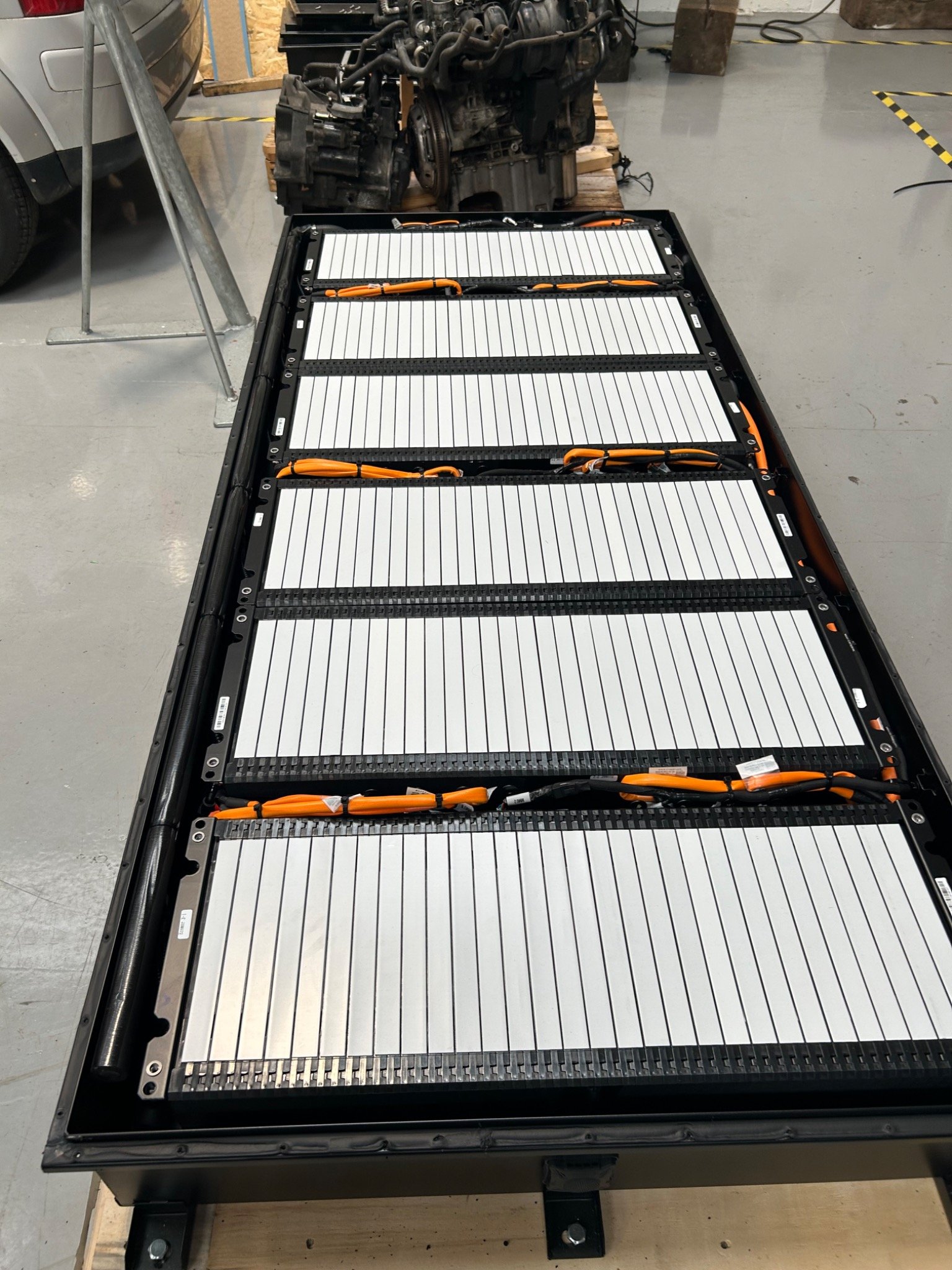
Engineered for the real installation.
Modular battery configurations
Designed as part of a complete system rather than treated as a stand-alone component.
High-voltage marine systems
Designed as part of a complete system rather than treated as a stand-alone component.
Thermal management and cooling
Designed as part of a complete system rather than treated as a stand-alone component.
Charging and shore-power integration
Designed as part of a complete system rather than treated as a stand-alone component.
Energy monitoring and management
Designed as part of a complete system rather than treated as a stand-alone component.
Designed around duty cycle and usable energy
Designed as part of a complete system rather than treated as a stand-alone component.
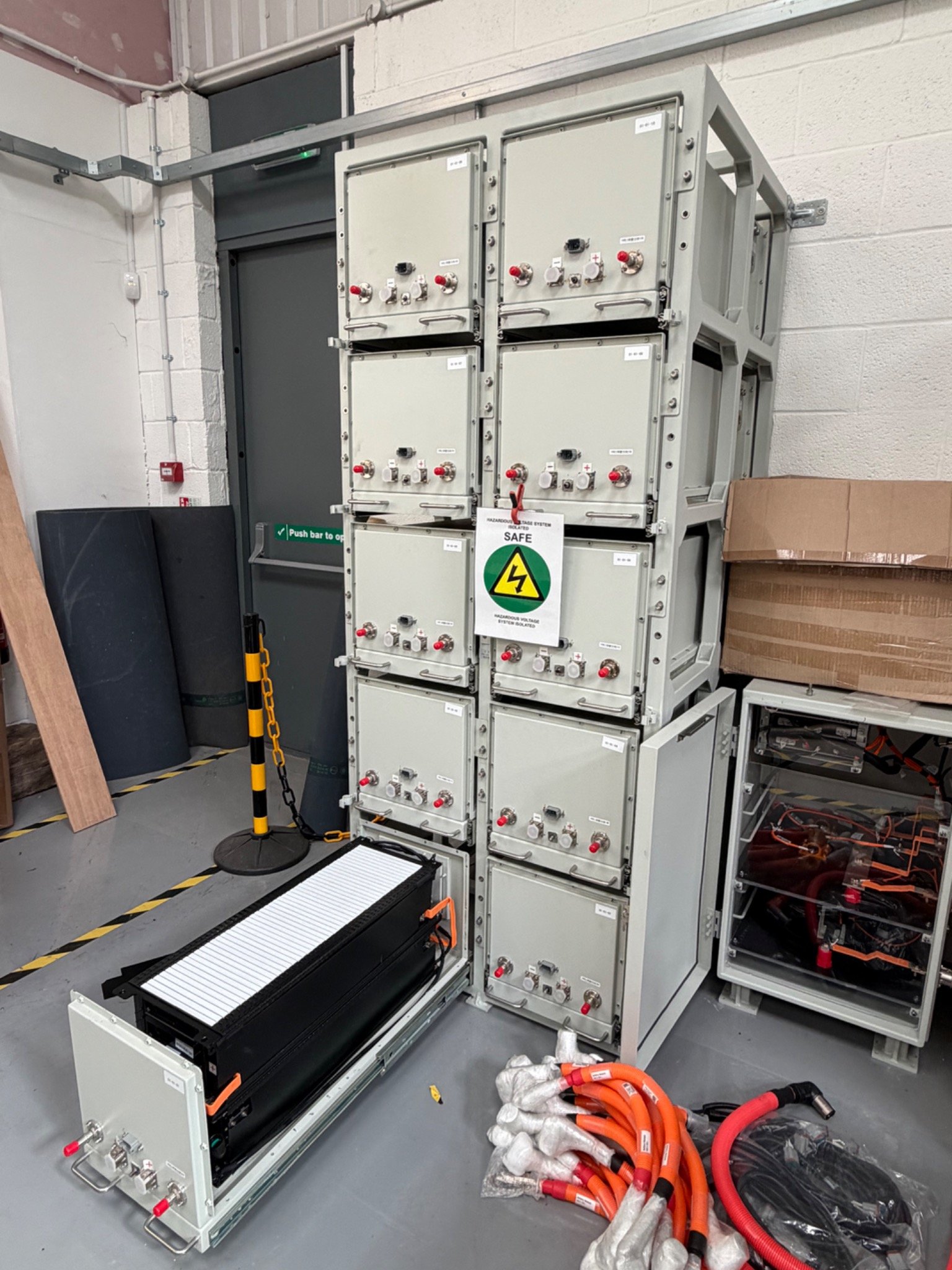
Capacity where it is useful.
Energy storage should reflect how the vessel actually works.
We engineer battery systems around usable energy, power demand, charging strategy, thermal management, installation space and service requirements.
Modular and serviceable.
Modular battery architectures allow capacity and packaging to be adapted to the application.
The final arrangement is developed around available space, cooling, HV distribution and the required safety architecture.
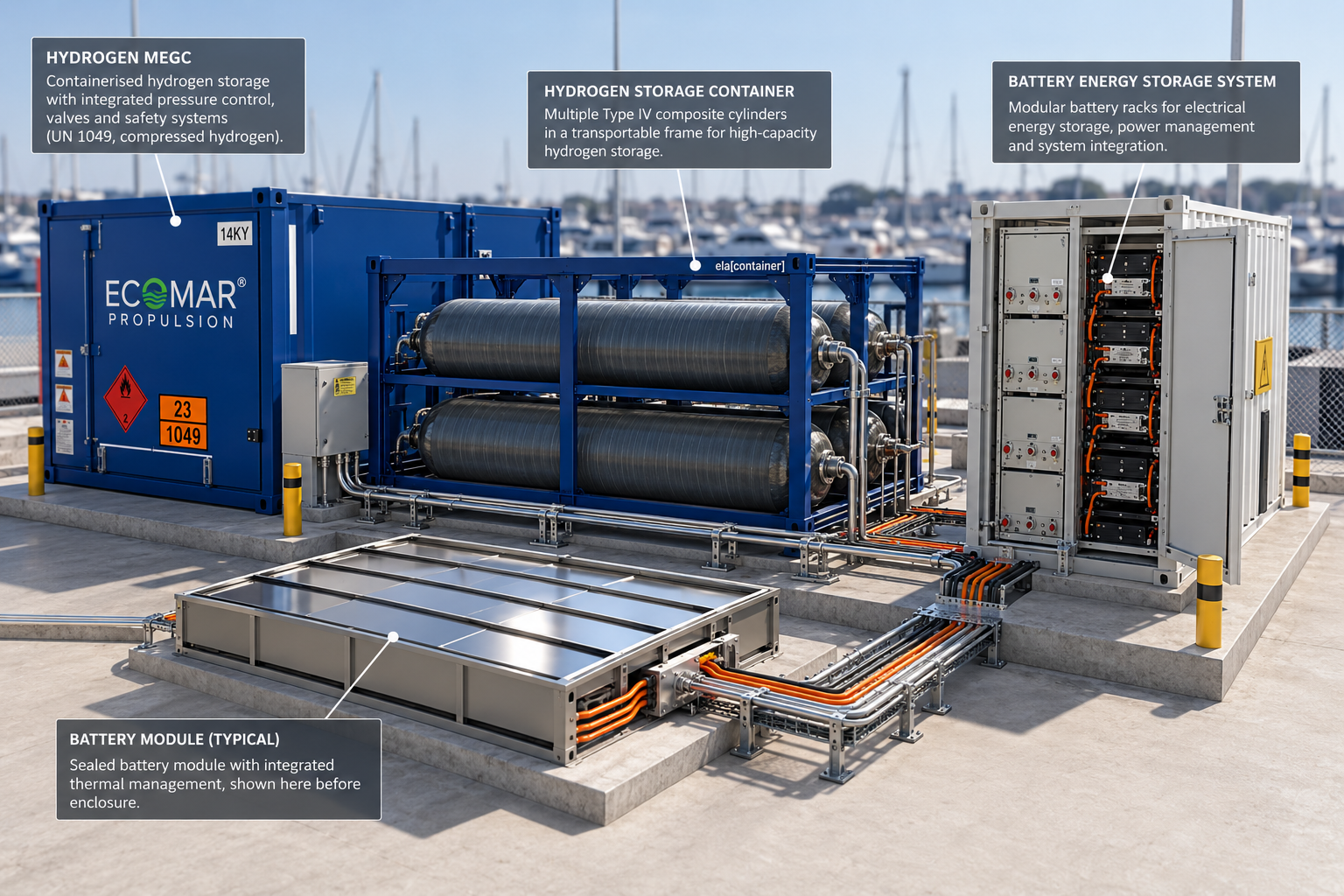
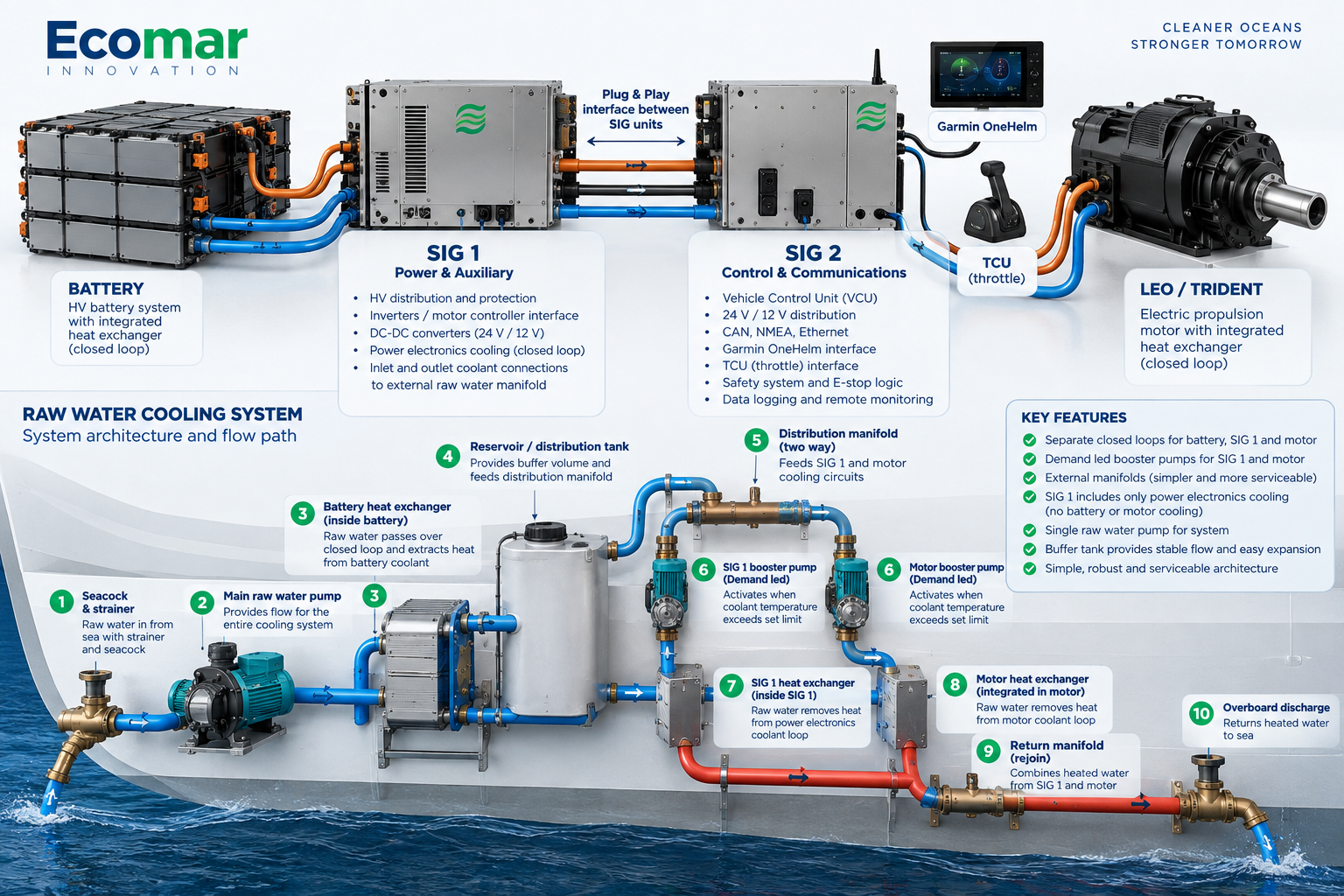
Make the stored energy work harder.
Energy management connects the battery to propulsion, charging, auxiliary loads and, where required, other energy sources such as hydrogen.
The objective is to make the complete energy system predictable, efficient and practical to operate.
Let's see where it fits.
Tell us about the vessel or application and we can establish the right engineering route, including the technology, interfaces and installation requirements.
Start a project →Requirement → Architecture → Integration → Working system
The equipment matters. The engineering around it matters more.