
Digital control designed around the operator.
Configurable control hardware and software connecting propulsion, energy, vessel systems, data and the person at the helm.
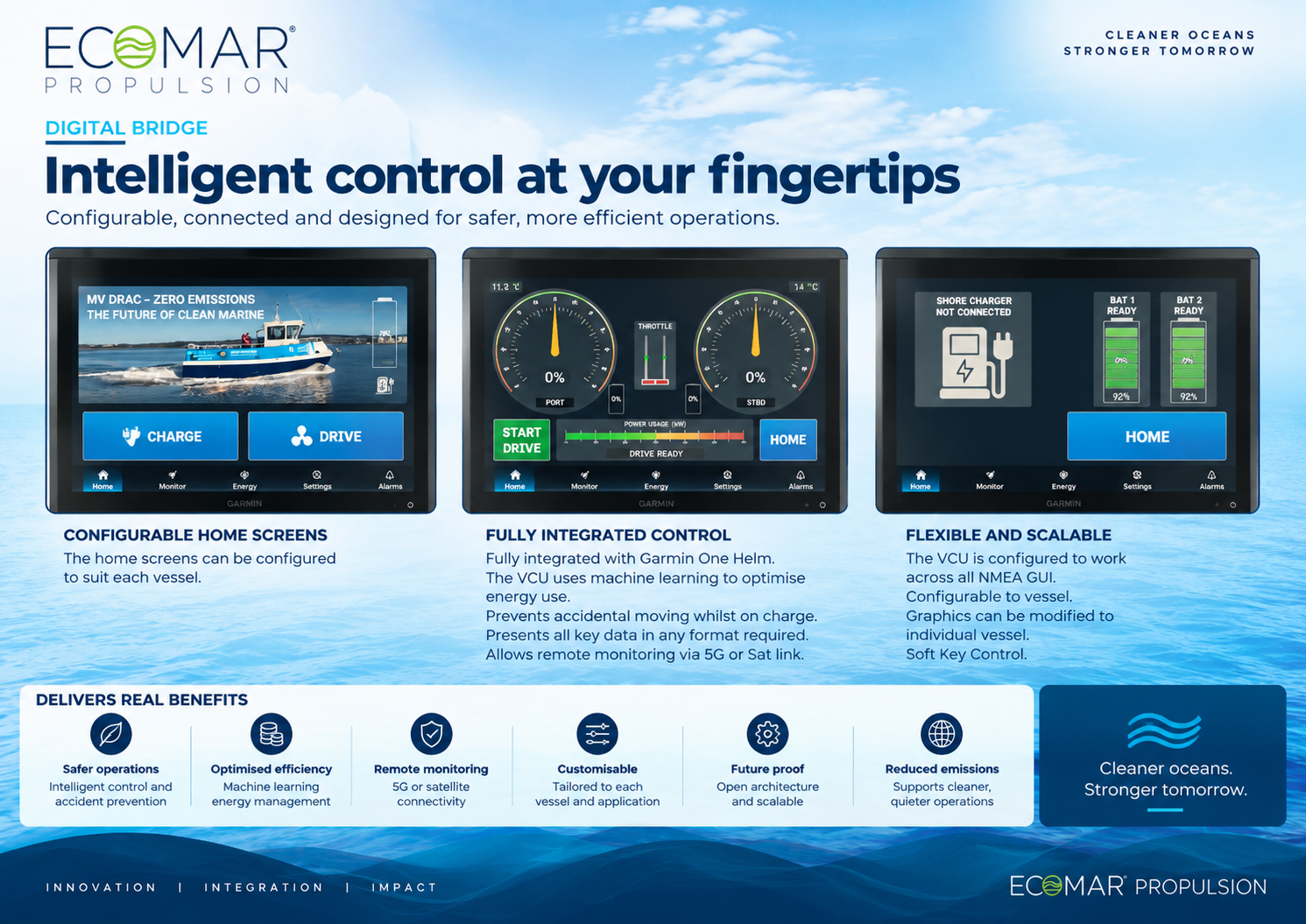
Engineered for the real installation.
Configurable HMI and home screens
Designed as part of a complete system rather than treated as a stand-alone component.
VCU and TCU integration
Designed as part of a complete system rather than treated as a stand-alone component.
CAN / NMEA connectivity
Designed as part of a complete system rather than treated as a stand-alone component.
Energy and charging interlocks
Designed as part of a complete system rather than treated as a stand-alone component.
Data logging and remote monitoring
Designed as part of a complete system rather than treated as a stand-alone component.
Architecture ready for autonomous functions
Designed as part of a complete system rather than treated as a stand-alone component.
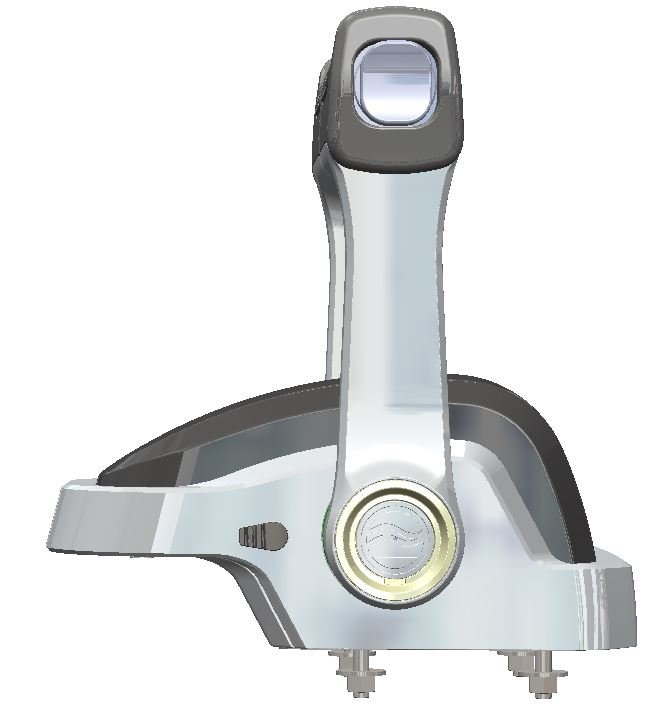
Simple for the person using it.
The control system brings the information and functions that matter to the operator into a clear interface.
Displays can be configured to suit the vessel and the operational role.
VCU, TCU, HMI and vessel networks.
The architecture links propulsion control, energy management, alarms, monitoring and vessel communications.
It is designed to work with common marine networking approaches including CAN and NMEA interfaces.
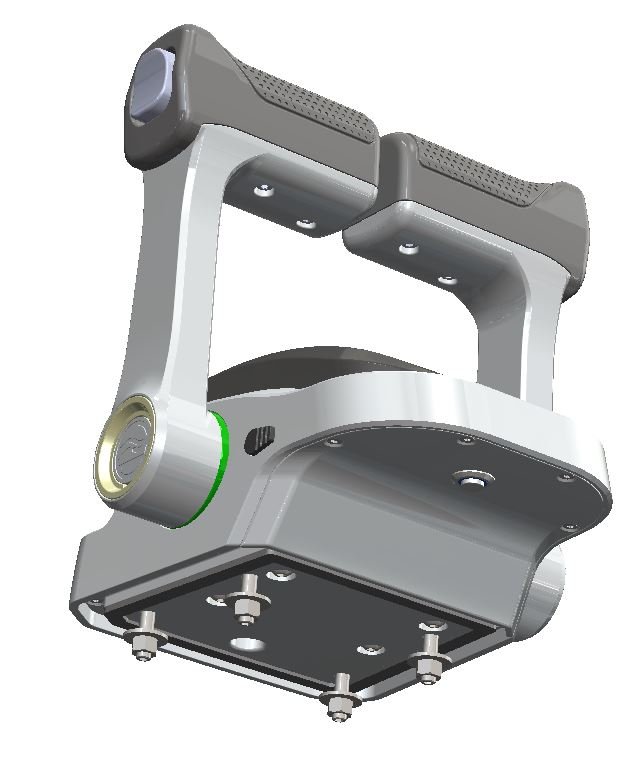
Monitor, analyse and improve.
Where the project requires it, the control architecture can support remote access, data logging, energy optimisation and autonomous operation.
The exact functions are configured to the vessel and its operating model.
Let's see where it fits.
Tell us about the vessel or application and we can establish the right engineering route, including the technology, interfaces and installation requirements.
Start a project →Requirement → Architecture → Integration → Working system
The equipment matters. The engineering around it matters more.